Water Testing in Waltham, MA
Have questions about the water coming from your faucets? Whether you're noticing sediment, unusual taste or odor, frequent filter clogging, or simply want to understand your drinking water better, appropriate water testing can help identify specific water quality concerns.
Waltham Water Filtration Co. helps homeowners explore residential water testing and treatment options and connect with independent providers serving Waltham, Massachusetts.
Call to discuss your concerns, the type of testing that may be appropriate, and available next steps.
- Drinking Water Testing
- Lead & PFAS Testing Options
- Water Hardness Evaluation
- Water Filtration Guidance
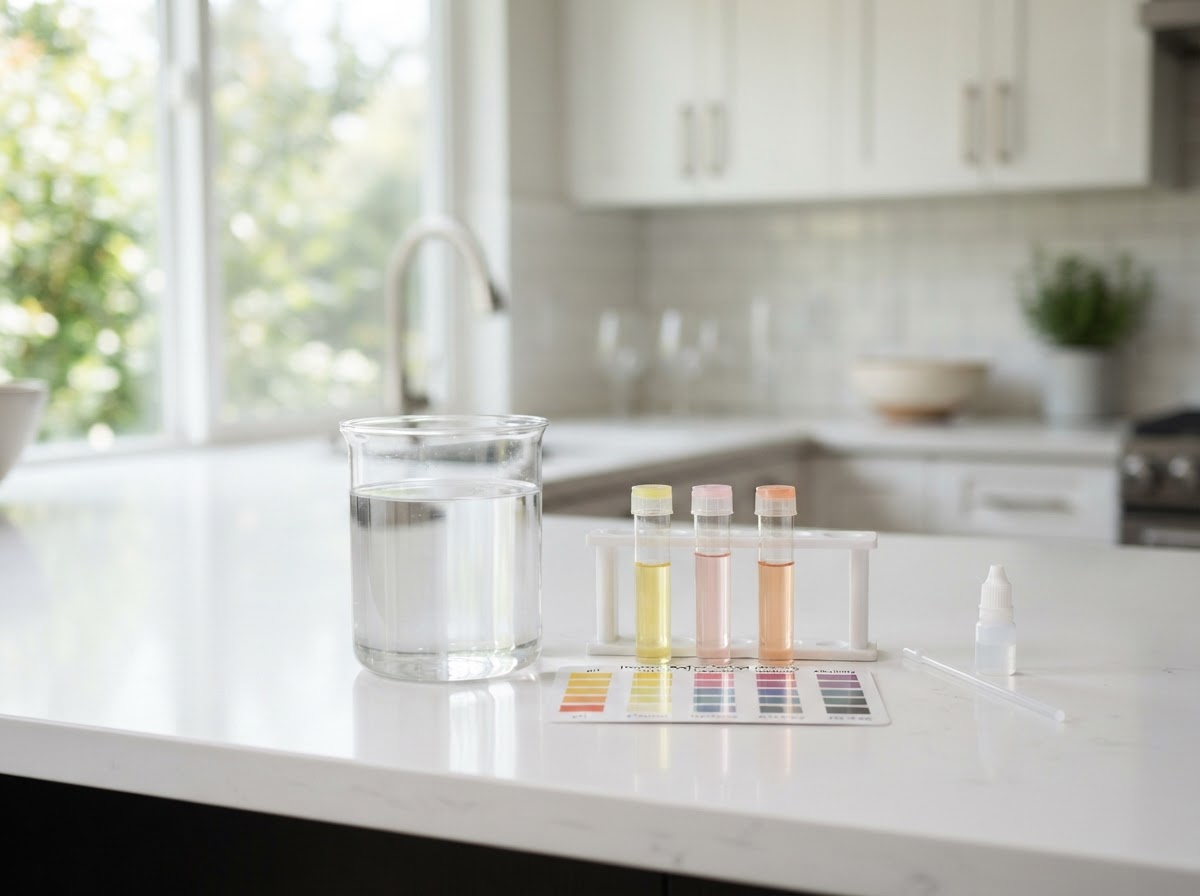
Why Consider Testing Your Home's Water?
Water quality testing helps provide information about particular substances or water characteristics. Homeowners may consider testing when:
- They notice unexplained changes in water appearance.
- Filters clog unusually quickly.
- They have concerns about household plumbing materials.
- They want to investigate a specific contaminant.
- They use a private well.
- They are purchasing a home with an unfamiliar water supply.
- They want to select an appropriate filtration system.
- They need to confirm whether existing treatment is performing as expected.
Water can look clear and taste normal while still containing certain substances that require laboratory testing to identify. At the same time, unusual taste or appearance does not automatically mean water is unsafe. Testing should be selected based on the actual concern.
Residential Water Testing Options
Different concerns call for different tests. Here are the most common categories homeowners ask about.
Drinking Water Quality Testing
Drinking water testing may evaluate specific chemical, physical, or microbiological parameters. The appropriate analysis depends on the water source and the substances being investigated. There is no single basic test that identifies every possible contaminant.
Lead in Drinking Water Testing
Lead can enter drinking water through certain plumbing materials and fixtures. It cannot reliably be identified by taste, smell, or appearance. Proper water sampling and certified laboratory analysis are important when evaluating lead concerns.
Lead filtration optionsPFAS Water Testing
PFAS are a group of synthetic chemicals that can be detected using specialized laboratory methods. Testing should be performed using an appropriate analytical method by a laboratory qualified for the specific PFAS compounds being investigated.
PFAS filtration optionsWater Hardness Testing
Hardness testing measures the concentration of minerals such as calcium and magnesium. Hardness is different from most contaminant-related drinking water concerns. Waltham's MWRA municipal water is generally soft, so a softener should not automatically be recommended.
Water softener optionsSediment and Turbidity Testing
Sediment concerns may involve particles suspended in water or material collected by a filter. Turbidity describes water cloudiness and does not, by itself, identify every substance causing that appearance. Testing may need to be combined with an inspection of household plumbing or the existing filtration system.
Sediment filtration optionsChlorine and Chloramine Testing
Municipal water suppliers use disinfectants to maintain drinking water safety. Testing can help measure particular disinfectant residuals when appropriate. Waltham receives MWRA water, which uses monochloramine for residual disinfection. Chlorine and chloramine are not identical, and filter selection should account for the actual treatment goal.
Iron and Manganese Testing
Iron and manganese may affect water appearance, staining, taste, or other water characteristics at certain concentrations. These concerns can be particularly relevant to some private water sources and are not implied to be widespread in Waltham's municipal water system.
Private Well Water Testing
Private wells have different monitoring responsibilities than public water systems. Massachusetts recommends appropriate periodic testing for private wells, including tests based on local conditions and potential contaminants. Testing schedules and requirements may vary by local Board of Health regulations.
Understanding Waltham's Drinking Water Supply
The City of Waltham purchases its municipal drinking water from the Massachusetts Water Resources Authority (MWRA). MWRA supplies water from its reservoir system and conducts regular water quality monitoring. Waltham also performs local distribution-system monitoring and publishes information about its drinking water.
According to the 2025 annual water quality report published in 2026, Waltham's lead and copper sampling results were below the applicable action levels reported for that monitoring period. The city's 2025 lead sampling reported a 90th-percentile result of 1.92 parts per billion, below the report's stated action level of 15 parts per billion.
This result describes the city's regulatory sampling, not the lead concentration at every individual home. Home plumbing, faucets, connections, and other property-specific conditions can affect water at the tap. Testing may be useful when homeowners have concerns about their own plumbing or want to investigate a particular substance.
An action level is a regulatory threshold used to evaluate the public water system — it is not a universal guarantee of safety for each home, and it does not mean Waltham residents automatically need additional filtration.
Does the City's Water Quality Report Tell You What's in Your Tap Water?
Municipal monitoring and property-specific sampling answer different questions. Both can be useful, and neither should be misinterpreted as a test for every substance at every faucet.
Municipal Water Quality Reports
- Water suppliers collect samples and monitor the public water system according to applicable regulations.
- These results provide valuable information about the water supply and distribution network.
- They describe the public system, not the conditions inside any individual home.
Testing at Your Home
- Water collected from a specific faucet can reflect conditions involving that home's plumbing, fixtures, and connections.
- The correct sample procedure matters for an accurate result.
- Property-specific testing can investigate issues that may not be represented by systemwide measurements.
Home Water Test Kits vs. Certified Laboratory Testing
A screening tool and a certified laboratory analysis are not the same thing. Knowing the difference helps you choose the right approach for your concern.
Basic In-Home Screening
- Some screening products or meters can provide approximate information about particular water characteristics, such as pH, hardness, disinfectant residual, or total dissolved solids.
- The capabilities vary by device and these tools do not automatically provide accurate identification of all contaminants.
- A total dissolved solids reading does not establish whether water is safe or unsafe to drink.
Certified Laboratory Testing
- Laboratory methods can provide quantitative analysis of specific substances.
- MassDEP-certified laboratories have been evaluated for particular analytical methods and parameters.
- Not every certified laboratory is approved to test every substance — choose one certified for the exact testing needed.
When laboratory testing matters: For specific concerns such as lead, PFAS, and microbiological contamination, use suitable professional laboratory methods rather than relying on a general water demonstration. Follow the laboratory's sample collection and handling instructions.
What to Expect When Having Your Water Tested
From identifying the concern to reviewing the results, here's how the process generally works.
- 1
Identify the Concern
Determine what prompted the testing request. Examples include lead concerns, unusual appearance, sediment, or an existing filtration system.
- 2
Select the Appropriate Test
The substances being investigated determine the sampling method and laboratory requirements.
- 3
Collect the Sample Properly
Samples must be collected and handled according to instructions specific to the intended analysis. Certain tests require particular containers, preservation methods, or sample timing.
- 4
Laboratory Analysis
When laboratory testing is needed, the sample is analyzed using an appropriate method. Results should identify the measured parameters and units.
- 5
Review the Results
A qualified provider or appropriate professional can help explain the findings and whether further investigation or treatment may be warranted.
Not all testing can be completed instantly or on-site. Certain laboratory analyses require sample transport and processing time.
Understanding Your Water Test Results
A few key concepts help make sense of what a lab report is — and isn't — telling you.
Parts Per Million and Parts Per Billion
Water testing results may report substance concentrations in parts per million (ppm) or parts per billion (ppb). These units describe very different concentration scales.
Detection Limits
A report saying a substance was not detected does not always mean its concentration is exactly zero. It may mean the level was below the laboratory's detection or reporting threshold.
Regulatory Standards
Some drinking water parameters have enforceable standards or action levels. Others may have guidance values or secondary standards related to taste, odor, or appearance. The significance of a result depends on the substance, water source, and relevant standard.
Treatment Decisions
Not every detected substance requires filtration. If treatment is appropriate, equipment should be selected based on the actual concern and the product's verified performance.
This page does not give medical advice or tell customers a specific concentration is harmless without authoritative support. A qualified provider can help interpret results in context.
Should You Test Your Water Before Installing a Filter?
Testing is useful when the homeowner has an identified concern that needs a particular treatment method. A homeowner with sediment concerns may need a different solution from someone investigating dissolved contaminants. A household interested mainly in taste may not need the same testing approach as someone concerned about lead or PFAS.
The goal is to match the treatment system to the actual problem. Buying the most expensive or complex filtration equipment without establishing a treatment need can lead to unnecessary costs.
How Much Does Water Testing Cost?
Costs vary depending on what is being tested and how. A basic water hardness screening and a laboratory PFAS analysis are very different services. This page does not invent Waltham-specific price ranges, advertise free testing, or promise that every provider offers every laboratory method.
When Is Home Water Testing Worth Considering?
Homeowners With Specific Contaminant Concerns
Testing can help investigate a particular substance that is not reliably identified by appearance.
People With Older Plumbing
Property-specific testing may be useful for concerns involving lead or other plumbing-related factors. Not every older home contains lead.
Homebuyers
Testing may be particularly relevant when a property has a private well or unknown treatment equipment.
Private Well Owners
Unlike public water supplies, private wells generally do not have the same routine public utility monitoring. Testing and maintenance responsibilities usually rest with the well owner, subject to local requirements.
Homeowners With Existing Water Filters
Testing may sometimes help evaluate whether treatment is meeting a specific goal, when appropriate before-and-after sampling and methods are used.
Homeowners With Unexplained Water Changes
Unusual water appearance, odor, or rapid filter clogging may justify contacting the water supplier, a plumber, or a testing provider depending on the situation. Sudden widespread discoloration or a municipal service issue may first warrant contacting the Waltham Water and Sewer Division rather than purchasing a filter.
Getting Help With Water Testing in Waltham
- 1
Call About Your Water Concerns
Explain what you're experiencing and what you'd like to find out.
- 2
Discuss Testing Options
We help connect homeowners with independent providers who can discuss appropriate water testing or treatment options.
- 3
Review Next Steps
Discuss available testing, potential costs, and whether further evaluation or filtration may be appropriate.
Waltham Water Filtration Co. does not directly operate a laboratory and cannot guarantee that every requested test can be arranged. We help connect homeowners with independent providers who can discuss appropriate options.
Water Testing & Treatment Services
Water Filtration Installation
Professional installation for whole-house and point-of-use systems.
Learn moreWater Testing FAQs
Straight answers to the questions Waltham homeowners ask most about testing their water.
Should I test my tap water in Waltham?+
Waltham receives municipal drinking water from MWRA, which conducts regular monitoring and publishes water quality reports. Not every home needs additional testing. However, testing may be useful when you have concerns about your home's plumbing, a particular contaminant, or an unexplained water issue. Call to discuss available testing options.
Can I test my water for lead?+
Yes. Lead in drinking water can be measured through appropriate laboratory testing. Because lead cannot reliably be identified by taste, color, or odor, testing is important when you have a specific concern. Massachusetts recommends using a certified laboratory and following its sampling instructions. Call to discuss lead testing options.
Can a home water test detect PFAS?+
PFAS testing requires specialized analytical methods. Most ordinary home test strips are not suitable for reliably determining PFAS concentrations. A qualified laboratory using an appropriate method should be selected for the substances of concern. Call to discuss available testing options.
What does a water hardness test measure?+
Water hardness testing measures minerals such as calcium and magnesium. Hardness is not the same as contamination. Waltham's MWRA-supplied water is generally soft, so water softening may not be necessary for many municipal-water customers. Call if you have questions about hardness or treatment options.
Why does my water filter keep clogging?+
A filter may clog quickly because of sediment, high household usage, equipment sizing, or plumbing conditions. Testing or inspection may help identify the cause, depending on the situation. Installing a larger system without identifying the problem is not always the best solution. Call to discuss filtration concerns.
Is a home water test kit as accurate as a laboratory test?+
It depends on what is being measured. Some screening kits can provide useful approximate information for selected water characteristics. However, specific contaminants such as lead or PFAS may require certified laboratory analysis using appropriate methods. Call to discuss the type of testing that may fit your concern.
How long does water testing take?+
The timeline depends on the test and provider. Some screening measurements can be obtained quickly, while laboratory tests may require sample transport and analytical processing. Certain tests take longer than others. Ask the provider about expected timing before arranging testing. Call for information about available options.
How much does residential water testing cost in Waltham?+
Pricing varies based on the substances tested, laboratory methods, sample collection requirements, and number of samples. A simple hardness test can differ substantially from specialized contaminant analysis. Call (781) 226-3613 to discuss your testing needs and available pricing.
Have Questions About Your Water in Waltham?
Whether you're dealing with clogged filters, unusual water appearance, questions about lead or PFAS, or simply want to understand your drinking water better, choosing the right testing approach is an important first step. Waltham Water Filtration Co. helps homeowners explore testing and treatment options and connect with independent providers serving Waltham. Call to discuss your concerns and available next steps.